







Search Results for: Bright Acidity

Coffee Flavor | What does "bright" mean in the context of bright coffee acidity? Which coffee beans produce pour-over coffee with bright acidity?
When evaluating a cup of coffee, we use various adjectives to describe its texture, so that the information others receive can be more vivid and three-dimensional. For example, when describing the mouthfeel of coffee, words like smooth and full-bodied are used to express the tactile experience of the coffee in the mouth; or when describing the aroma of a cup of coffee, [more…]

What Exactly Does "Bright" Coffee Acidity Mean? A Detailed Explanation from Acidity vs. Acid Quality to Practical Tasting Methods
In coffee circles, you often hear evaluations like "this cup of coffee has a very bright acidity," but what exactly does "bright" mean? This article, from the perspective of Front Street Coffee, first clarifies the difference between acidity and acid quality, then breaks down the specific manifestations of bright acidity in taste, aroma, and mouthfeel, and provides references to producing regions and bean lists where you can experience this type of flavor. If you've ever been confused by baristas' descriptive terms, this article will help you turn "bright" from abstract to concrete. [more…]
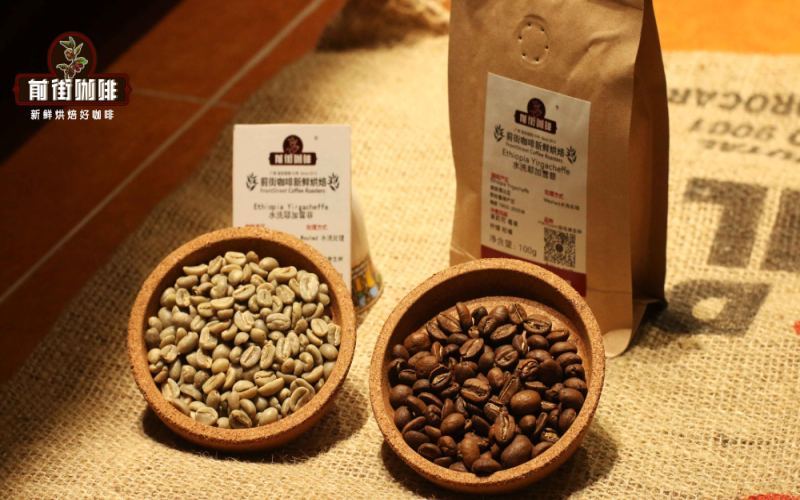
Floral and Fruity Notes with Bright Acidity: A Complete Guide to the Flavor and Processing Methods of Ethiopian Yirgacheffe Specialty Coffee
Yirgacheffe is one of Ethiopia's most representative specialty coffee regions, renowned for its citrus and lemon fruit aromas and jasmine-like fragrance, with a fresh and bright taste, rich layers of acidity, and a clean, defect-free profile. The diurnal temperature difference brought by high altitude slows the ripening of coffee cherries, allowing flavor compounds to accumulate more fully. Front Street's Ethiopian Yirgacheffe coffee beans present bright citrus acidity, abundant white floral notes, and a honey-like sweet finish. This article will systematically introduce the flavor characteristics of Yirgacheffe, Front Street's three product options featuring different processing methods, the differences between washed and natural processing techniques, and how light-roasted Yirgacheffe performs under two extraction methods—pour-over and cold brew—to help coffee enthusiasts gain a more comprehensive understanding of this region. [more…]
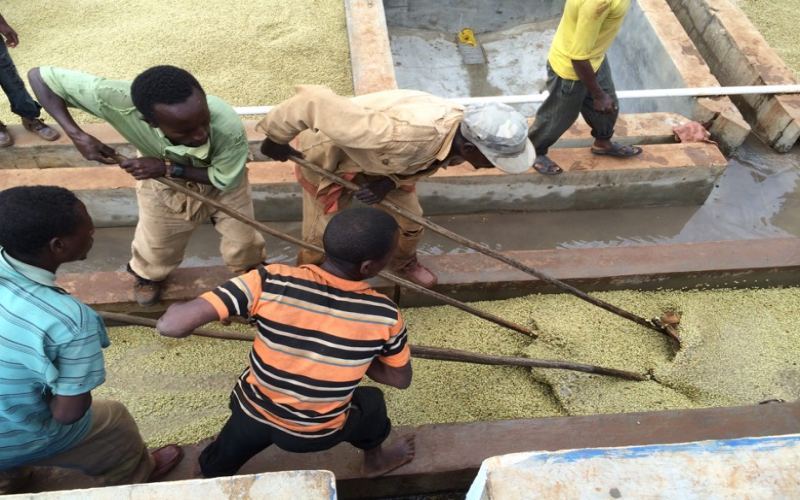
Kenya Double Washed Explained: The Bright Acidity in the Fermentation Tank
If you had to trace the "Kenyan taste" back to its processing origins, the answer would most likely point to double washing. This method, known locally as K72, polishes the fruit acidity of Kenyan coffee until it is bright, solid, and yet still clean. Once you understand double washing, you understand where the signature juicy quality of Kenyan beans comes from. Double Washing [more…]

How to Choose Light-Roast Floral Coffee Beans: From Bright Fruit to Gentle Tea Notes
The charm of light-roast coffee beans often reveals itself the moment you open the package and pour in hot water. Aromas of petals, citrus, berries, or tropical fruit come through vividly, the acidity is bright on the palate, and a light, sweet finish lingers after you swallow. It suits those who enjoy black coffee, pour-over, and iced drinks, and is equally suited to those who treat coffee as a relaxing afternoon beverage, savoring it slowly. [more…]
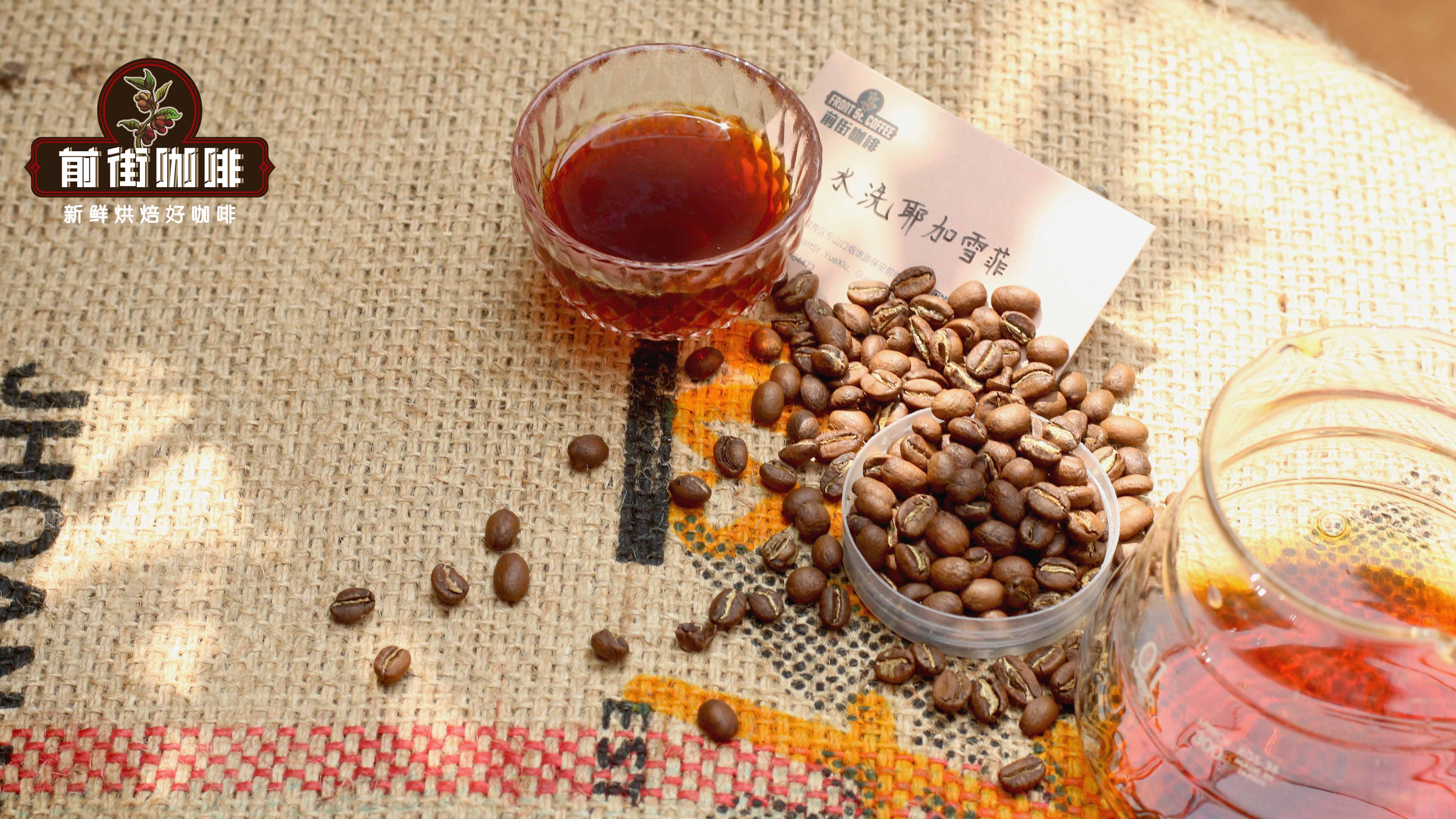
An Analysis of the Flavor Origins, Classic Bean Varieties, Roasting and Brewing, and Drinking Windows of Bright, Acidic Coffees
Stepping into a café and facing a bewildering array of single-origin coffees, drinkers often express their preferences in terms of bitterness and acidity. Front Street Coffee analyzes the origins of acidity and bitterness: genes and terroir lay the foundation (African beans are more acidic than Brazilian ones, and Colombian beans are more bitter than Kenyan ones), while roasting and brewing determine the final taste—light roasts highlight acidity, dark roasts emphasize bitterness. This article uses Front Street Coffee's bean lineup to take stock of the acidity-leaning camp: Ethiopian Yirgacheffe (lemon-citrus acidity with jasmine), the newly added COE #22 and TOH washed champion, Kenyan Asalia (cherry tomato and smoked plum acidity, 72-hour washed with a juicy mouthfeel), and Tanzanian Kilimanjaro (mineral-water sweetness with floral and fruity notes, the gentleman of coffees), with detailed coverage of roasting, cupping, and pour-over. Acidity-loving drinkers are advised to prioritize the above origins and choose beans according to taste. [more…]
How to Choose Light-Roast Floral Coffee Beans: From Bright Fruitiness to Gentle Tea Notes
The charm of light-roast coffee beans often reveals itself the moment you open the package and pour in hot water. Aromas of petals, citrus, berries, or tropical fruit come through vividly, the acidity is bright on the palate, and a light, sweet finish lingers after you swallow. It suits those who enjoy black coffee, pour-over, and iced drinks, and also those who treat coffee as a relaxing afternoon beverage, savoring it slowly. [more…]
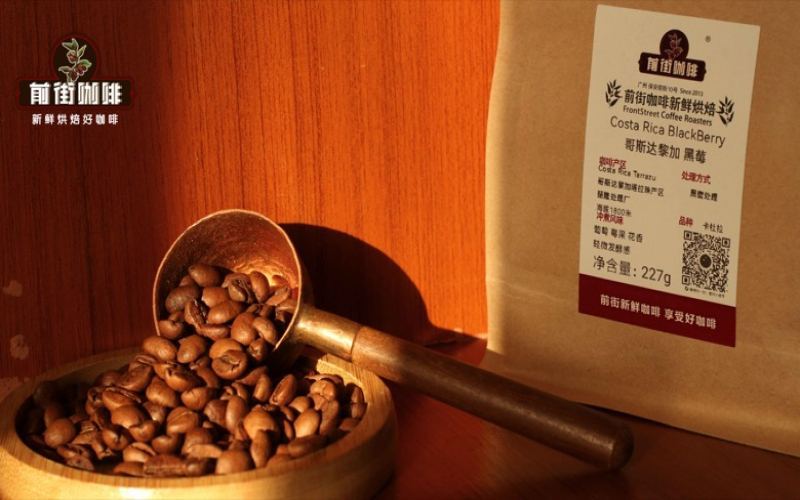
The Sweet-and-Sour Structure of Light-Roast Beans: Floral and Fruity Aromas with Bright Acidity
The flavor logic of light-roasted beans is "preservation": the roasting time is short, so the floral and fruity aromas and acidity of the origin are retained to a greater extent. When brewed properly, it is a bright and clean cup. The light-roast version of Front Street Coffee Yirgacheffe Gedingding has a clear citrus and green tea sweetness, and the acidity is a lively fruit acidity rather than a sharp, irritating sourness—the sweet-and-sour sensation of a light roast. [more…]

Kenya Coffee Market Trends and Price Analysis: A Complete Overview of Varieties, Regions, Processing Methods, and Flavors
Kenyan coffee has always been a star in the specialty coffee world, thanks to its multi-layered taste and bright, juice-like acidity. This article examines the current market situation and prices of Kenyan coffee, systematically sorting out its varietal origins—the breeding history of SL28 and SL34, the positioning of Ruiru 11, and the coexistence of large estates and cooperatives in its cultivation model. It also explains in detail how the unique K72 washed processing method shapes intense acidity and delicate texture, introduces the two trading models of the Nairobi auction and direct trade, and reviews one by one the flavor differences of major producing regions such as Kiambu, Thika, and Nyeri. Finally, it includes product information and brewing suggestions for two Kenyan coffees from Front Street. [more…]

The Roasting Code of Sweet Americano: From Bright Light to Mellow Depth
Even with black coffee, the roast level of the beans pushes sweetness in different directions. A light roast is more like fresh fruit, bright and lively on the palate, suited to those who enjoy a crisp taste; a medium roast brings out syrupy, ripe-fruit and tea notes, rounder overall; a medium-dark roast relies on cocoa, nut and caramel-like aromas to build body. To make a sweet americano, you can [more…]

Exploring Floral and Fruity Regions: The Fruity Code of Ethiopia and Kenya
When exploring the regions that produce floral and fruity coffee, Ethiopia and Kenya are two origins you simply cannot avoid. These two African regions have distinctly different floral and fruity styles, and once you understand their respective fruity codes, you can precisely match your own taste preferences when choosing beans. Ethiopia is the native birthplace of Arabica, and its floral and fruity notes are characterized by tropical [more…]
Floral and Fruity Aromas with Bright Acidity: Flavor Characteristics of Yirgacheffe Specialty Coffee Beans and an Introduction to Front Street Coffee's Gudingding Cooperative
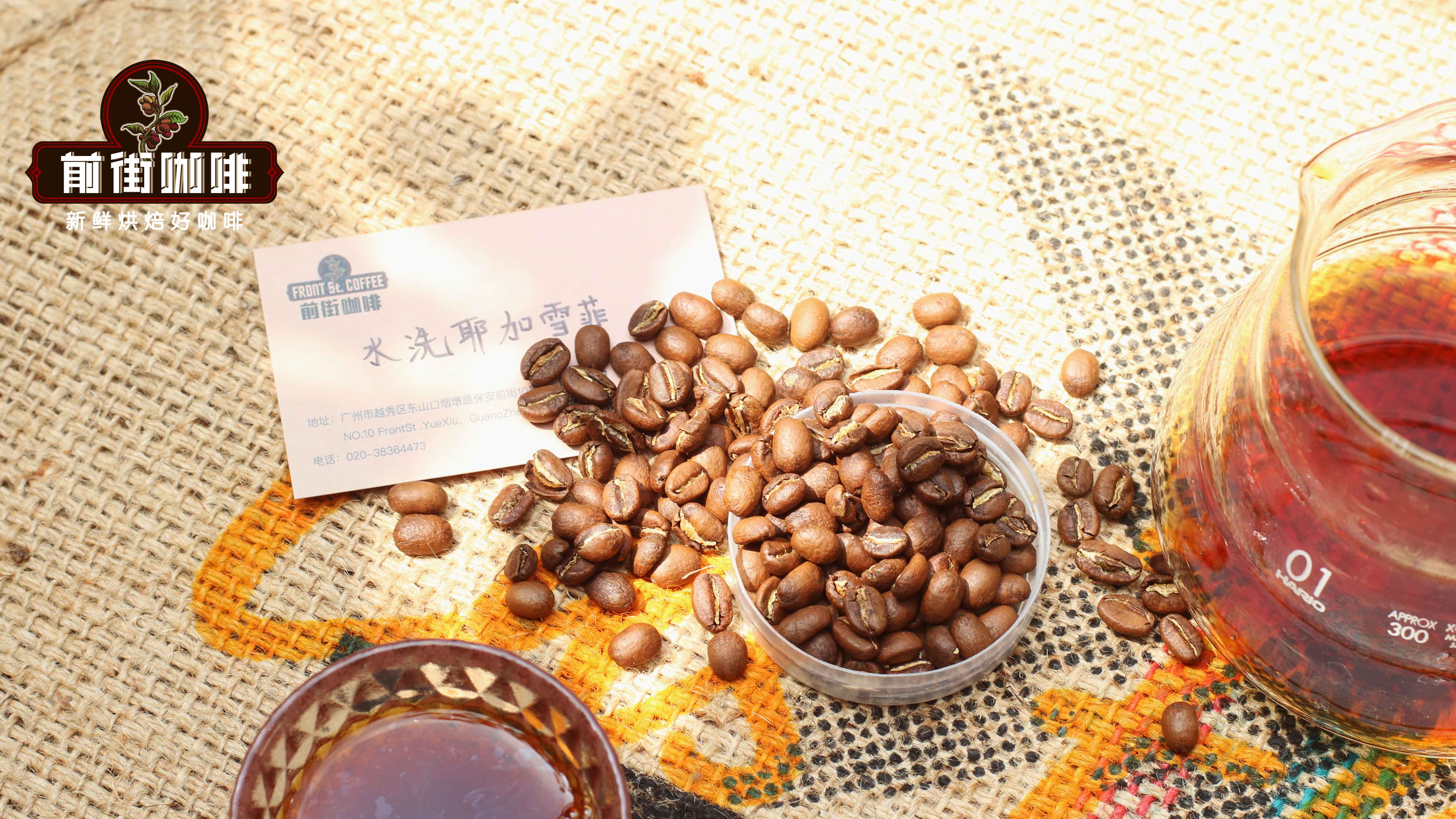
Yirgacheffe is a small town in the Gedeo Zone of southern Ethiopia, at an altitude of about 1,700 to 2,100 meters, famous for its unique floral and fruity aromas and bright acidity. It originally belonged to the Sidama region but became its own region due to its highly distinctive processing methods and flavor profile. Front Street Yirgacheffe is a light-to-medium roast single-origin bean with a naturally fragrant floral character, suitable for pour-over, cold brew, American drip, and many other brewing methods. If you want to experience the highest-grade Ethiopian coffee, Front Street G1 Gotiti Cooperative is the next step up. It uses washed processing, excels in both quality and flavor, and offers notes of jasmine, citrus, honey, green tea, and blueberry. Gotiti Cooperative is located in the Worka region at the southeastern end of Yirgacheffe. It became independent from the Worka Cooperative in 2012 and has about 300 farmer members. It is known as the last pure land of Yirgacheffe and continues to use traditional washed and natural processing methods. Comparing Front Street washed Yirgacheffe everyday beans with Gotiti Cooperative, the former has a light jasmine aroma, clear citrus notes, and a clean mouthfeel, while the latter has brighter citric acidity, a pronounced sugarcane sweetness, and reveals a rounded tea-like character as it cools. [more…]

Coffee flavors go beyond bitterness: Five specialty coffee beans with balanced acidity and sweetness and a bright, layered profile
Many people habitually equate coffee with bitterness, thinking that black coffee is undrinkable unless milk and sugar are added. However, coffee's flavor spectrum is far richer than imagined—a cup of exceptional black coffee can deliver a delightful experience where bright fruity acidity intertwines with rounded sweetness. This article selects five coffee beans with particularly outstanding sweet-and-sour balance, covering different origins and varieties such as Sidra, Strawberry Candy blend, Yunnan Typica, Butterfly Geisha blend, and Bird of Paradise. Each one has its own distinct flavor profile, ranging from floral and fruity notes to nutty and caramel tones. Whether you are a beginner just getting into specialty coffee or a seasoned connoisseur looking for a daily staple, you are sure to find a favorite among them. [more…]
Choosing Espresso Blend Beans by Roast Level: From Bright Acidity to Full-Bodied Richness
When making espresso, the roast level of a blend directly affects the flavor, texture, and suitable drinking occasions of the shot. Light roasts more easily preserve bright acidity and fruity notes, medium roasts bring sweetness, aroma, and body to a more balanced position, while medium-dark and dark roasts lean closer to nutty, cocoa, and roasted tones. For those just getting into espresso, [more…]
Why Is Kenyan Coffee Acidity So Intense? Unraveling the Secrets of the K72 Processing Method and the SL28 and SL34 Varieties
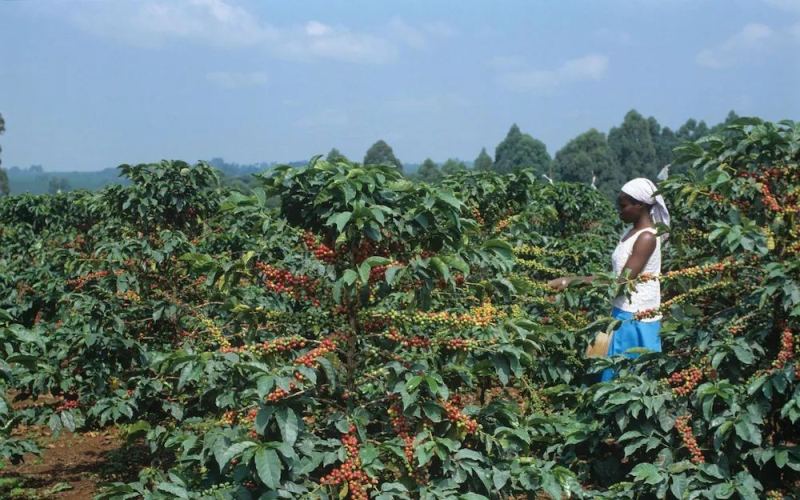
Kenyan coffee stands out in the world coffee landscape with its distinct and intense acidity, contrasting with the crisp and bright style of neighboring Ethiopia. This unique flavor is inseparable from the phosphoric acid-rich volcanic ash soil of the Kenyan highlands, the carefully selected SL28 and SL34 varieties, and the renowned K72 washed processing method. This article will delve into the sources of Kenyan coffee's acidity, dissecting its flavor code layer by layer—from the geographical environment and the history of variety selection to the 72-hour fermentation process. At the same time, we will introduce a Kenyan bean from Front Street Coffee, sourced from the Salia factory in the Thika region, featuring SL28 and SL34 varieties, processed with the K72 washed method, presenting bright acidity reminiscent of cherry tomatoes and smoked plums, along with a sugarcane-like sweetness. [more…]

Why Do Washed Coffee Beans Often Have a Bright Acidity? A Complete Analysis from Processing Methods to Fermentation Principles
When you drink a cup of coffee in a café with bright acidity and a clean mouthfeel, experienced tasters can often immediately tell that these are washed beans. What exactly does the washed process do to coffee beans that makes them present such distinct fruity acidity in the cup? Starting from the structure of the coffee cherry, this article breaks down the complete washed process step by step, compares the differences between dry and wet processing methods, and explores in depth the formation mechanisms of organic acids during fermentation. The article also introduces the Kenyan-style washed process, which takes wet fermentation to the extreme, helping you understand the real reason why washed coffee beans have such prominent acidity, and includes brand information for Front Street Coffee for reference. [more…]
A Detailed Guide to the World's Top Ten Coffee Brands: From Geisha to Kilimanjaro—Origins, Flavors, and Processing Methods
There are numerous coffee varieties worldwide, and differences in origin, variety, and processing method give each bean its own unique flavor expression. Washed processing brings bright acidity and a clean mouthfeel, natural processing presents tropical fruit and fermented aromas, and honey processing offers a balanced sweet-and-tart profile reminiscent of wine and dried fruit. This article takes the world's three major producing regions as its framework and, one by one, sorts through ten representative coffees—Panama Geisha, Jamaica Blue Mountain, Indonesia Mandheling, Ethiopia Yirgacheffe, Kenya K72, Costa Rica honey-processed, Brazil Yellow Bourbon, Guatemala, Papua New Guinea, and Tanzania Kilimanjaro—combining Front Street Coffee's bean selection and brewing suggestions to provide coffee enthusiasts with a flavor reference that balances professionalism and practicality. [more…]
An In-Depth Analysis of Kenya's Coffee Regions: The Bright Acidity and Layered Flavors Bestowed by Red Soil Terroir
The African continent has long been renowned for producing high-quality coffee, and Kenya, neighboring Ethiopia, is one of the countries with extremely strict standards for cultivation and quality management. Whether from large estates or smallholder farmers, all coffee beans must be processed and then sent to the Kenya Coffee Board for unified cupping and grading. This article will provide an in-depth analysis of the sources of Kenya coffee's unique flavor, from the aluminum, iron, and other elements abundant in its red soil to its distinctive aroma and prominent acidity, and will introduce Front Street Coffee's recommended descriptions of Kenya coffee's flavor characteristics. [more…]

A Complete Analysis of African Coffee-Producing Countries: Varieties, Flavors of Ethiopia and Kenya, and Front Street Recommendations
Africa, as the birthplace of coffee, is home to many well-known producing countries such as Ethiopia and Kenya, and is famous for its rich aroma and captivating fruity acidity. This article systematically reviews the variety distribution, cultivation models, processing methods, and flavor characteristics of African coffee, with a focus on introducing Ethiopia's nine major specialty producing regions, Kenya's six major producing regions, and the coffee characteristics of countries such as Burundi, Rwanda, and Tanzania. At the same time, it retains Front Street Coffee's detailed brewing suggestions and flavor descriptions for beans such as Yirgacheffe, Huakui, Kenyan Little Tomato, Rwandan Gaseke, and Tanzanian Kilimanjaro, providing a comprehensive reference for coffee enthusiasts. [more…]
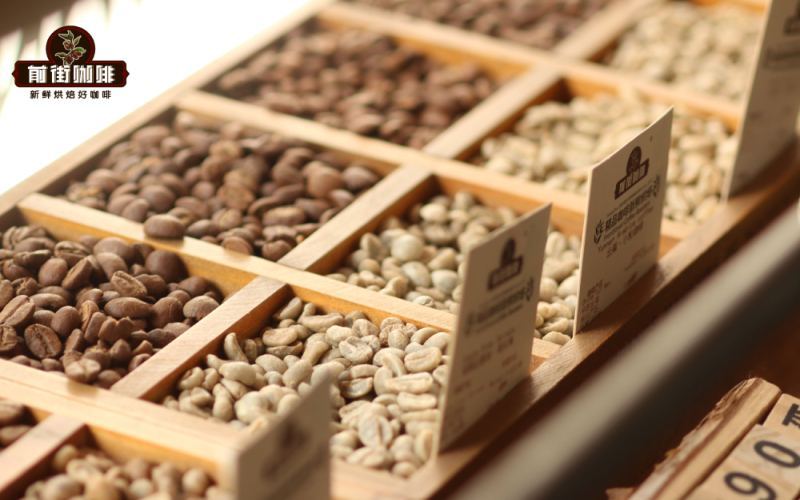
A Complete Analysis of African Coffee Origins: Flavor Characteristics and Growing Advantages of Ethiopia, Kenya, and Other Countries
Africa, as the continent of coffee's origin, has nurtured many outstanding bean varieties that captivate coffee lovers worldwide. Among them, Ethiopia and Kenya can be considered the two pillars of African coffee, winning broad recognition for their distinctive flavor profiles. This article systematically reviews the cultivation systems, variety compositions, processing methods, and flavor expressions of major African coffee-producing countries—including Ethiopia, Burundi, Rwanda, Kenya, Tanzania, and others—offering an in-depth analysis of the subtle differences among various specialty-producing regions. It also introduces the roasting and brewing parameters for several African beans from Front Street Coffee, providing coffee lovers with a complete guide to African coffee flavors. [more…]